

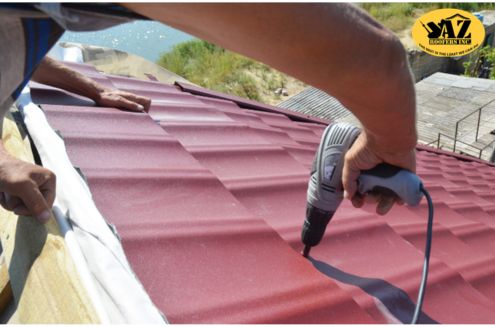
Is it possible for a roof covered by the best shingles to have a leak? It is possible. In case water gets through weak spots in the joints or edges of the roof, even the best shingles will not be able to prevent leakage in the roofing system.
When it comes to roof replacement, most homeowners tend to spend a lot of time choosing the right shingle type or color. This process is important, but it is just a small part of the work. When choosing the top-rated roofers in Mississauga, they should consider other factors that might be less visible from the ground such as roof flashing. Understanding how roof flashing works will help homeowners go beyond the shingles and make a more informed decision.
Why Choosing a Premium Shingle Brand is Only Part of the Job
Because shingles cover much of a sloping roof, it should be no surprise that shingles receive much of the attention when it comes time to replace a roof.
But a roof is mo;re than one single flat unbroken surface. There are chimneys, vents, valleys, skylights, and places where the roof connects to the walls. Each change in the roof means there is another place where roofing material must connect to another type of material.
There is more to these connecting areas than good shingles.
Even a top-quality shingle will do its job properly even as water sneaks past improperly protected joints.
What is Roof Flashing and What Does it Actually Do?
Roof flashing is a waterproofing material that is installed around weak spots on the roof. Its primary function is to divert water from those areas through which it would otherwise seep into the building.
Instead of being a standalone element, flashing is part of other elements on the roof.
How Roof Flashing Works with Shingles and Underlayment?
The roof should be considered as having layers.
Shingles are the surface layer, while the underlayment layer provides additional protection from below. Flashing is applied to certain areas to allow the water flow around and over weak spots.
If they are not properly overlapped and installed, there will be a way for water to seep through between them.
Where is Roof Flashing Typically Installed?
Flashing can be seen near:
- Chimneys
- Skylights
- Roof valleys
- Plumbing vents
- Roof to wall junctions
- Other roof openings
Each one offers a unique water management situation, which is why there is no single flashing method that can work everywhere.
Is the Type of Roof Flashing Material Important?
The type of flashing material that can be used includes metals like aluminum, galvanized steel, and copper. This will depend on the roofing system, the area where the roof is located, its exposure, and the surrounding building materials.
While durability is crucial, the compatibility of material is also essential.
Importance of Material Compatibility
Different roofing and metal materials should go well with each other.
The type of flashing material should, therefore, be considered in relation to the rest of the surrounding roofing system instead of going for whatever is available.
Other considerations for experienced contractors also include manufacturer guidelines and roof specifications.
Reasons Why Top Rated Roofers in Mississauga Care About Flashing
The examination of the roofing should not be limited to simply assessing the state of the shingles.
The spots of meeting surfaces and places where something goes through the roof require special attention as this is a weak spot by definition.
a. Flashing Helps Protect Transition Spots on the Roof
When rain flows along the slope of the roof, it normally continues in its way and reaches the drainage system. But when there is a chimney, wall or a skylight, this path gets interrupted.
Flashing ensures that the water flows around these interruptions and keeps going out of the roof.
b. Minor Mistakes with Installations can Lead to Bigger Issues
Flashing relies greatly on proper placement.
Even little gaps, insufficient overlaps, and improperly placed materials can provide access to moisture. This issue might start out relatively minor and not noticeable within the house.
Vital Areas With Flashing That Should Be Installed Properly
a. Chimney Flashing
A chimney forms a number of locations where the roof connects to a vertical component.
Various types of flashings should be installed to assist in the control of moisture in such a location. This needs coordination and not just sealing the surface near the chimney.
b. Roof-To-Wall Flashing
The design of roofs like extensions, dormers, and others may create areas where the roof connects to a vertical wall.
These connections need careful management of moisture since the rain or melted snow can go straight into the connection.
c. Valley Flashing
The valley flashing collects water from the two intersecting roof surfaces.
Considering that quite a lot of water can pass through these regions, especially when it rains or snow melts, it is crucial that the proper installation of drainage is ensured.
d. Skylight Flashing
The skylight opens a hole in the roof structure.
In this case, the flashing should be compatible with the roof structure to channel the water away from this opening.
e. Vent and Pipe Flashing
These penetrations have smaller openings, yet still require some form of protection.
These include boots, collars, or other flashing materials based on the specific opening and roofing system.
Why High Quality Shingles are Not a Substitute for Inadequate Flashing
This is when a comparison of roofing systems based on shingle quality becomes inaccurate.
If high quality shingles are installed around the chimney but there are gaps or an inadequate flashing next to it, the shingles may be in perfect condition while water gets into the roof system through the chimney transition.
The converse is also possible: impeccable flashing cannot make up for poor conditions of the roof covering.
Roofing system performance is based on coordinated work of several elements and not on a single high quality product.
Why Sealants and Roofing Caulks Are Not the Best Long-term Flashing Solution
There are certainly many appropriate applications for sealants and roof caulk in roofing projects. However, the problem starts when the latter are used as a replacement for proper flashing detailing.
Roof components are subject to changes in temperature, moisture, and movement. A sealant bead on the surface will never correct the problem that lies underneath.
Where there is an error in the flashing detail, applying additional sealant over time will only treat the symptoms of the problem, but not the problem itself.
Mississauga Weather That Challenges Roof Flashing
Roofs in Mississauga have variable weather through seasons, which include rains, snow, ice and temperature variations through the year.
This weather means that proper management of water is very critical.
Materials tend to expand and contract with changes in temperature. Melted snow will create water that flows down to roof valleys, edges and penetrations. Rain blown by winds can also be different compared to regular rain.
Snow and Ice on Vulnerable Roof Areas
Snow and ice bring another element into the equation.
Melted snow requires some place where it can drain out, while the refreezing process will interfere with natural drainage. This doesn’t mean that flashing is enough to prevent ice dams, but problems associated with roof areas can be more evident under such drainage conditions.
What Are the Consequences of Roof Flashing Failure?
Water damage is the primary consideration, but it doesn’t necessarily end at the dripping part.
Based on location and type of moisture entry, it could be:
- Wet roof deck
- Moisture in the insulation layer
- Stains inside the ceiling or walls
- Degradation around roof penetrations
- Damage to neighboring roofing components
Possible Indications of Problems with Your Roof Flashing
The first thing a homeowner can do is look for water stains near chimneys, around skylights, or leaks that only happen during heavy rainfall or snow.
Some of the external warning signs that homeowners can recognize are loose, rusty, or damaged flashing that has noticeable gaps in it.
The problem with roof leaks is that where the leak occurs inside the house might not necessarily correspond to where the leak actually happened.
This means that hiring professionals can help to determine the exact cause of leakage instead of guessing based on where the stain is.
Is It Possible to Fix Flashing Without Roof Replacement?
Not all flashing issues necessitate roof replacement automatically.
It all depends on the extent and location of the issue as well as the condition of the adjacent shingles and underlayment and whether there is any moisture in the materials below.
A specific problem can be fixed in some cases without affecting the adjacent parts of the roof, but when the adjoining parts are damaged, then a different solution needs to be sought out.
Is It Possible to Utilize Already Installed Flashing for Roof Replacement?
It is necessary to avoid automatic use of existing flashing just due to the fact that it looks fine from a distance. On the other hand, it would be equally erroneous to always discard it due to its age.
There might be some factors to take into account, including:
- Corrosion/deterioration
- Damage
- Quality of initial installation
- Compatibility with the new roof
- Damage during removal process
- Manufacturer’s recommendations
This list is far from being exhaustive.
Comparison between New Roof Installation and Re-Roofing
In the case of new roof installation, flashing could be put in place as other elements of the roof system are installed.
However, the case of re-roofing differs from this since the contractor will have to deal with an already existing structure. Existing materials have to be inspected and any existing workmanship becomes evident after the shingles have been stripped away.
Top Rated Roofers in Mississauga and Their Flashing Inspection Method
In any comprehensive roof inspection, it’s important to note those parts where water might intrude.
This could involve inspecting the chimneys, valleys, skylights, intersection with walls, vents, and other penetrations. The contractors would then look out for corrosion, loose parts, patching work done earlier, and any sign that water intrusion happened at these points.
For people trying to compare top rated roofers in Mississauga, asking about the inspection method of existing flashings could give more helpful insights than just talking about the types of shingles used.
Why Coordination of Components Penetrating the Roof Is Important
Everything that penetrates into or connects to the roof isn’t put there by the roofer.
Components like chimneys, skylights, siding, plumbing vents, and some mechanical components need different trade skills. The result has to work as a single unit.
For instance, installing roofing that surrounds an existing skylight will need consideration of the integration between the skylight, flashing, and roofing materials.
Coordination avoids one component interfering with the other.
Why Flashing Details Must Be Part of Your Roofing Estimate
Your roofing estimate must provide sufficient information for you to understand the scope of work involved.
For a house that has chimneys, skylights, valleys, or any other flashing details, make sure to find out what work will be done on them.
Based on the job, the scope could include one or more of the following:
- Flashing inspection
- Where necessary, flashing replacement
- Flashing of chimneys
- Valley detailing
- Skylight detailing
- Wall-roof flashing
- Pipes and vents
It will also be easier to compare contractors. Even when two estimates mention the same shingle material, there could be significant variations in preparation and details.
What about Building Codes and Manufacturer Instructions?
Professional roofing is more than just an issue of selecting an installation method according to preference.
For certain projects, considerations should be made for building codes, manufacturer instructions, and acceptable roofing practices.
In certain circumstances, manufacturer instructions come into play when the parts will form a roofing system together.
Although homeowners should not be roofing experts, they can inquire from contractors what specifications pertain to their project.
Does Flashing Installation Impact Roofing Warranties?
Roofing warranties can differ greatly, and therefore it is vital that you actually take a look at the specific terms of warranty provided by your roofing company.
The warranty on your products and the workmanship warranty may differ as well.
Installation can be one of the requirements put forward in warranty terms. You can do this by asking the most highly rated roofers in Mississauga about their warranties.
What Do You Need to Check After Flashing Installation?
The quality control does not necessarily stop with the final shingle being installed.
The final inspection may reveal whether the flashing was properly placed, whether it was well-integrated with other materials and whether there are any noticeable gaps in the installation.
Some special attention may be paid to such areas as:
- Chimneys
- Skylights
- Valleys
- Wall intersections
- Penetrations
- Materials overlap
Pictures of the finished product may come in handy for those details that may no longer be clearly seen from the ground.
Questions for the Top Rated Roofers in Mississauga Concerning the Flashing
Some questions to ask before selecting the roofer would include:
- Do you examine the current flashing before beginning?
- What does your quotation cover regarding flashing?
- Do you fix or replace broken flashing?
- What flashing materials will be used?
- What is done with chimney and roof-to-wall flashing?
- What is done with skylight flashing?
- Is anything salvaged from the previous flashing job?
- How will the completed flashing job be tested?
- Are there any manufacturer considerations to be taken into account?
- What flashing work is guaranteed by the warranty?
Knowing the answer to these questions will provide insight into the nature of the job as opposed to simply choosing a roofer based on price and shingle.
Conclusion
A famous brand of shingles is only one element of an efficient roof. The flashing used for chimneys, valleys, skylights, walls, and roof penetrations is an essential element that will help to divert water from the most vulnerable parts of your roof.
When choosing from the top-rated roofers in Mississauga, like AZ Roofers do not pay attention only to the shingles. Inquire about the way flashing will be checked, installed, and connected with other elements of your roof system since it will significantly affect its performance.