

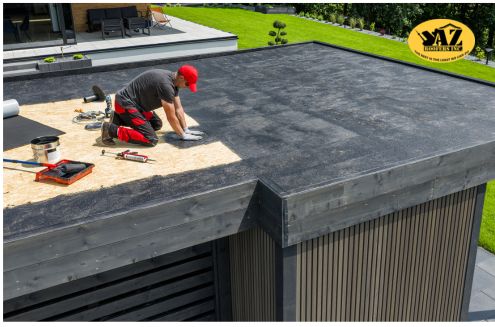
Lots of homeowners know that a leaking roof can lead to water damage, but not everyone thinks about how roof trouble can also end up creating the right sort of setup for mold. In Brampton, homes deal with everything, from hard heavy rain to snow and freezing temperatures so flat roofs are especially on the vulnerable side for moisture related headaches. Once water gets inside a space, it can sit there kind of quietly, hidden in the layers, for weeks or even months before you see anything obvious.
If you understand how flat roof problems feed mold growth, it becomes easier to act early, before what seems small turns into a bigger and more pricey repair. In some situations, getting professional flat roof replacement Brampton help can be the best way to guard the building from constant dampness damage.
Why Mold Is a Serious Problem for Brampton Homeowners
Mold is way more than an obvious nasty mark on a wall or ceiling. It can move fast through damp spots and end up in several areas of a home too, like insulation, drywall, wood framing, and flooring materials.
Besides harming your property, mold can also change indoor air quality. A few people might notice coughing, sneezing, headaches, or that itchy eye and throat irritation when mold is around. Families with children , older adults or anyone dealing with asthma, allergies, or other respiratory issues may be more sensitive to exposure.
Since Brampton gets a mix of weather patterns across the year, moisture can get trapped inside roofing systems, so mold prevention becomes a real ongoing part of home upkeep.
Common Flat Roof Problems That Can Lead to Mold Growth
Flat roofs are supposed to guard a property from weather and all that, but after a while they can get problems that let moisture slip in, and not always in an obvious way.
a. Roof leaks and water infiltration
A pretty common trigger for mold growth is a roof leak. Even a small gap somewhere in the roof system can let water creep into ceilings or walls. Because these leaks are often kind of hidden from sight, the damp can collect for a long time before homeowners even realize what’s happening.
b. Ponding water on flat roofs
Now, unlike roofs that slope, flat roofs can sometimes hold water after heavy rain or after snowmelt. People call this ponding water. When water stays up there for a long stretch, it can wear down roofing materials, and also make leaks more likely.
c. Cracked or damaged roofing membranes
The roofing membrane basically serves as a protective barrier against moisture. Over time, that layer may crack, blister or loosen, especially near seams where it joins. Once those weak spots show up, water can move through into the structure, and then you end up with damp conditions that really support mold growth.
d. Blocked roof drains and gutters
Drainage matters a lot on a flat roof. If drains or gutters get clogged with leaves debris, or grime, water can back up and sit on the roof surface. Then, over time, that extra moisture can eventually work its way into the building.
How Moisture From Flat Roof Problems Creates The Perfect Environment for Mold
Mold kind of needs three basic conditions to grow: moisture, an organic material, and temperatures that make it comfortable. Unfortunately a lot of homes already offer the second and third parts on their own, without even trying. But when roof issues bring moisture into the structure, mold can start to develop pretty quickly.
Wet insulation , damp drywall, wooden framing, and even the ceiling materials can all turn into a kind of breeding area for mold. And because these zones are often hidden behind walls or sitting above ceilings, the mold can keep spreading, unnoticed for a while.
By the time you actually see mold showing up on surfaces, the moisture problem underneath might have already done a good amount of damage.
Warning Signs Your Flat Roof May Be Causing Mold Problems
Even when mold is not in your face right away, there are some warning signals a homeowner should keep an eye on, sort of constantly.
- You might notice things like, a stubborn musty odor inside the house, or dark water marks on ceilings and walls.
- Also watch for peeling paint, or drywall that starts to bubble, even though you didn’t cause that on purpose.
- Sometimes you can spot actual growth around ceiling edges, corners, or near vents.
- And if household members start getting allergy-like symptoms more often, like sneezing or irritation that won’t quit, that can be another hint.
If any of these signs show up while you’re also dealing with roof problems again and again, it could be a good time to check whether the roof is letting moisture slip into the property.
When Flat Roof Repairs May Not Be Enough
Roof Repairs are known to solve various problems when the damage is discovered early. However, repairs may not always be the most practical solution.
If you see that leaks are continuing to occur in multiple locations, the roofing membrane then might be severely deteriorated, or moisture damage has become widespread and in this regard, repeated repairs can become costly over time. In these situations, homeowners may find themselves spending money on temporary fixes without addressing the root cause of the problem.
When Flat Roof Replacement Brampton Services Become the Better Solution
There comes a situation when you will see that replacing a roof would be more cost-effective than continuously repairing it. Older roofing systems that have reached the end of their lifespan often struggle to provide reliable protection against moisture.
Professional flat roof replacement Brampton services help in reducing ongoing roofing issues by installing a new roofing system designed to resist leaks and improve damage. A replacement also allows contractors to identify and address hidden moisture damage that may exist beneath the old roof.
How a New Flat Roof Can Help Prevent Future Mold Issues
A properly installed flat roof provides a stronger protection against water intrusion. Modern roofing materials are designed to improve waterproofing, durability, and drainage performance.
A new roof keeps your home better insulated and improves energy efficiency. Plus, it helps stop leaks from coming back. When you keep out extra moisture, you make it a lot harder for mold to grow in the first place.
Final Thoughts
A tiny roof problem doesn’t look like much at first, but once water sneaks in, it gets out of hand fast. Mold loves damp spots hidden behind walls, above your ceilings, or buried in the insulation—so by the time you notice anything, the damage is already done.Catch these problems early. If you see signs like pooling water, frequent leaks, or just old, tired roofing, don’t wait. Taking action right away saves you a ton of money and hassle later on.
If you’re in Brampton and you need someone to check out your flat roof, AZ Roofers can take a look and help you figure out what actually makes sense—whether that’s repair or full flat roof replacement Brampton. A proper roof keeps water out, stops mold before it starts, and saves you from those big, expensive headaches down the line.